
Last updated October 30, 2026
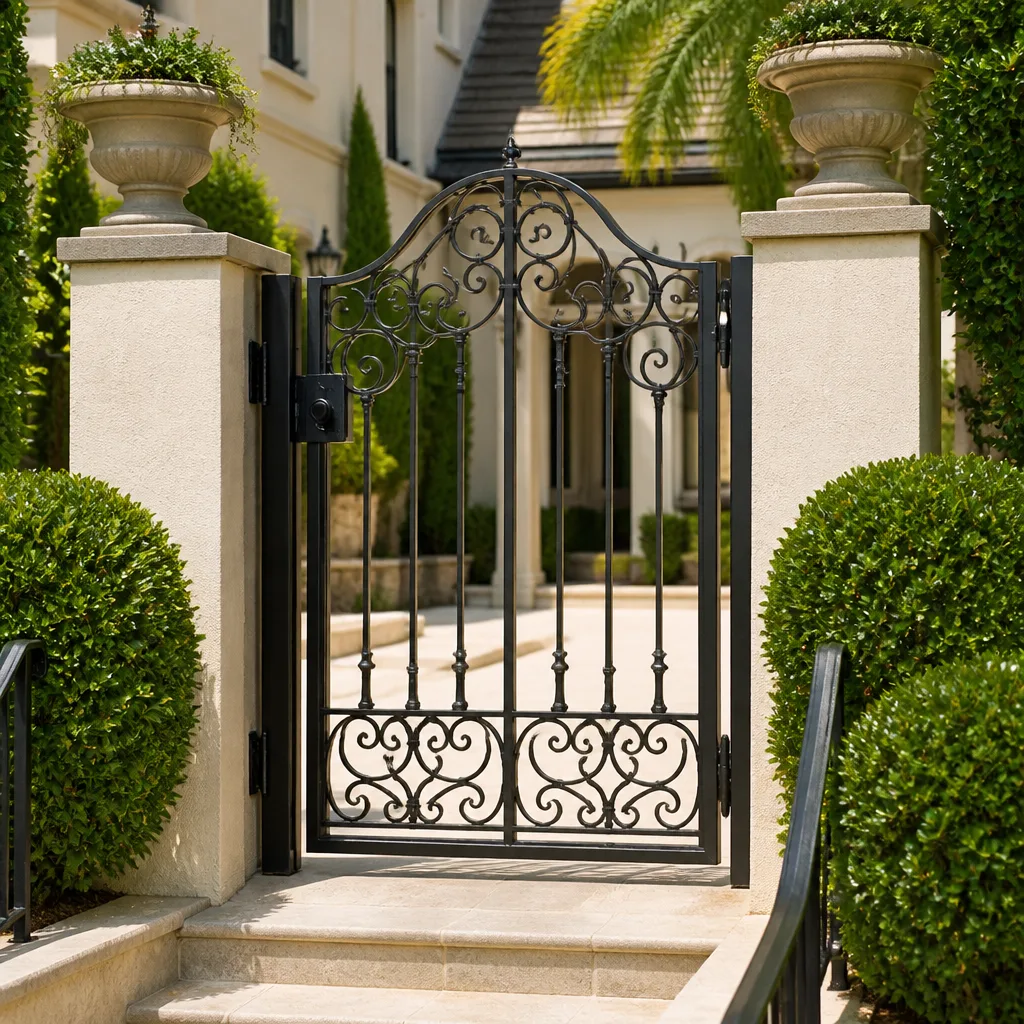 Wrought iron
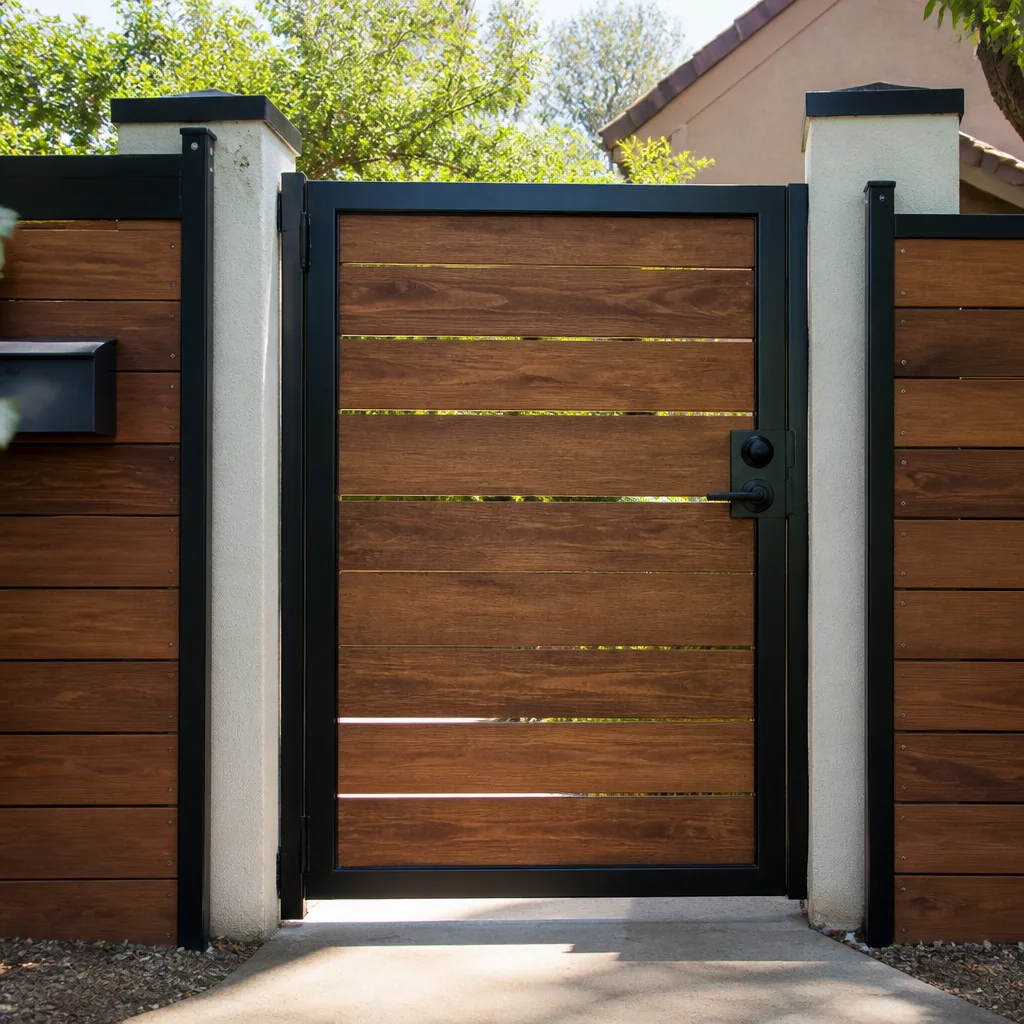 Wood & steel frame
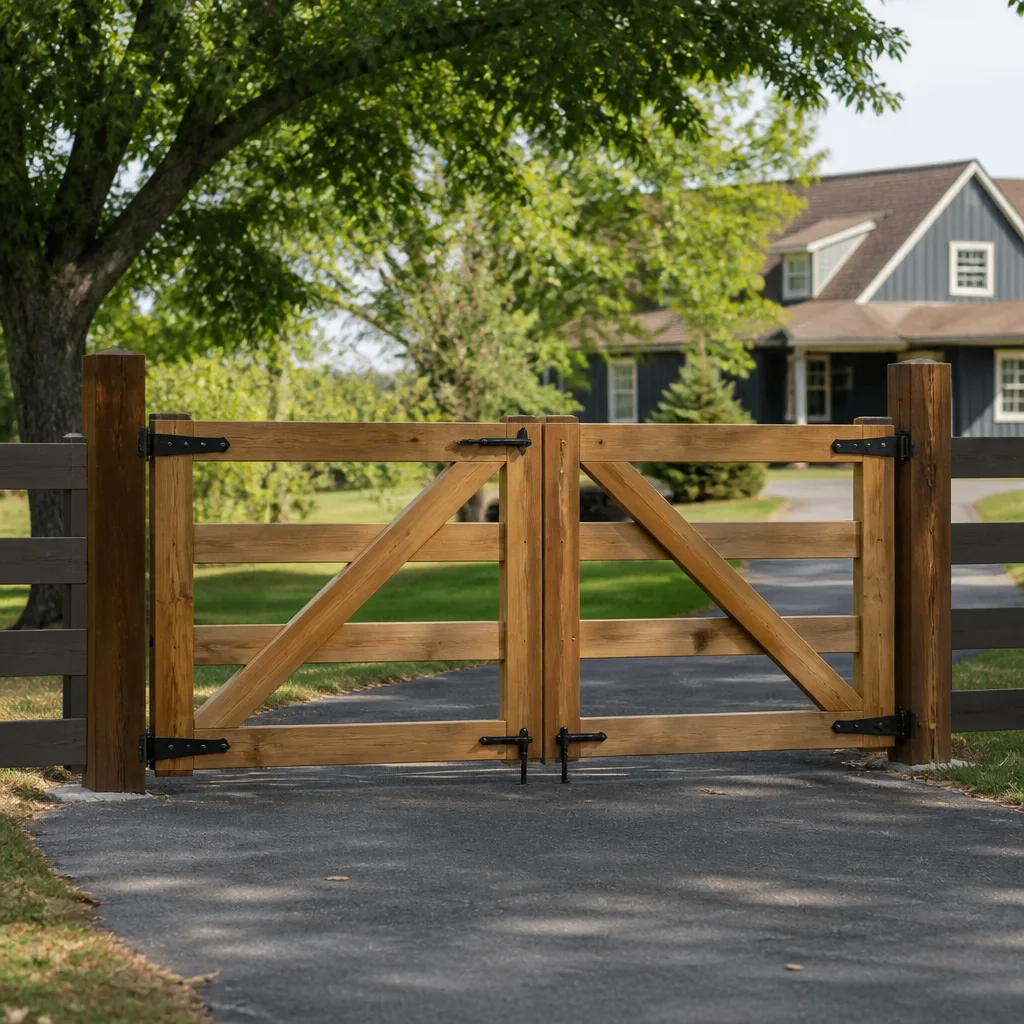 Farm & ranch
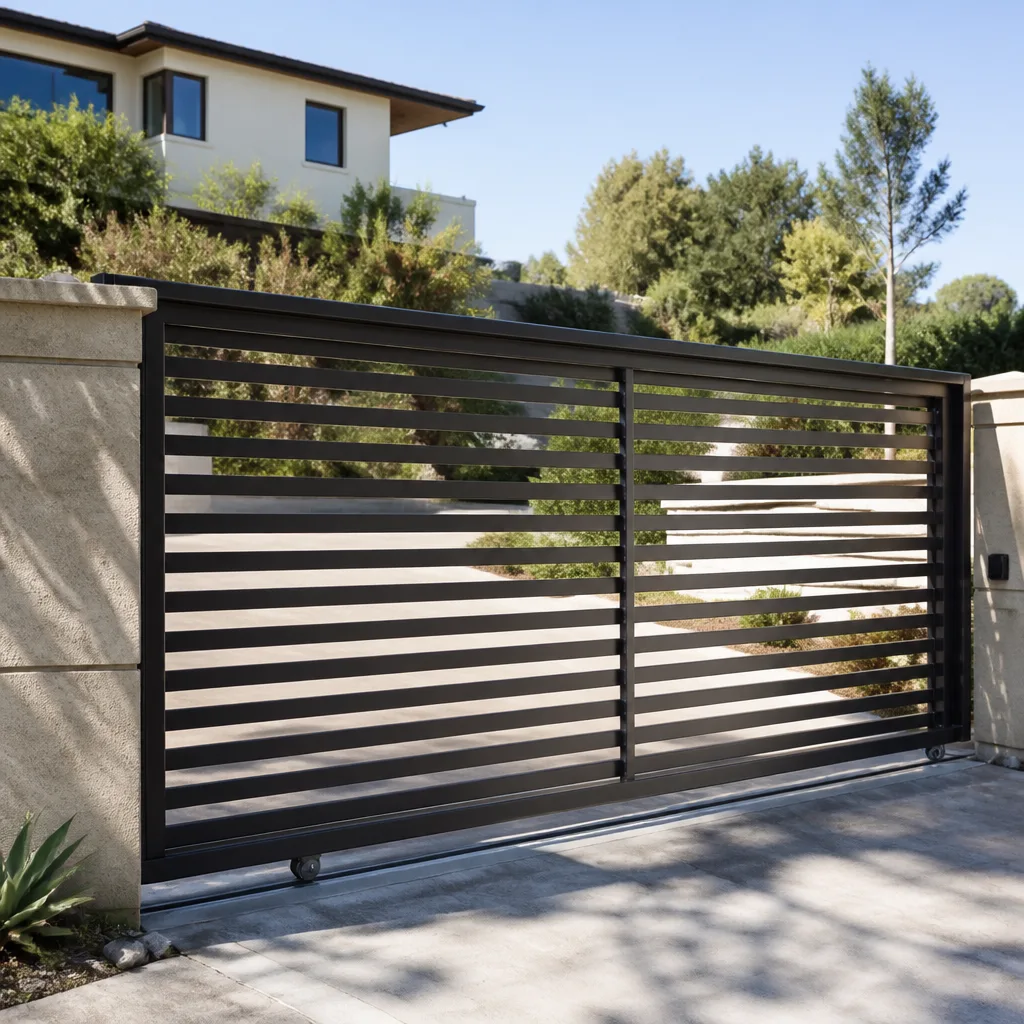 Sliding driveway gates
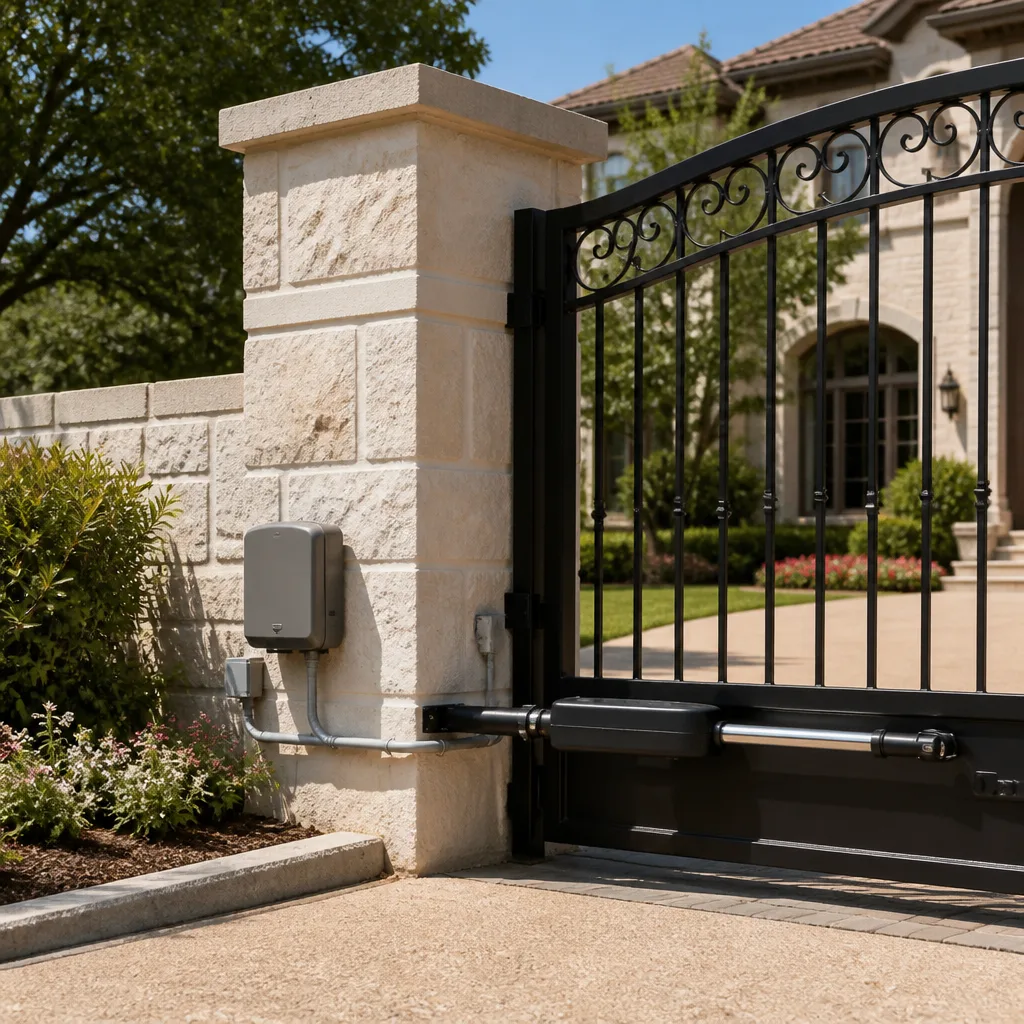 LiftMaster operators
Free on-site gate assessment - hinges, posts, and your LiftMaster or Nice gate operator checked before anything is quoted
The assessment is free and the quote is the invoice.
Get your free estimateGate Repair Cost Breakdown: The Corona Homeowner’s Reference for 2026
Here’s something most Corona homeowners don’t realize: the most commonly overpriced gate repair in the Inland Empire isn’t the operator replacement. It’s the hinge replacement, where a $40 part gets quoted at $200 or more because most people have no reference point for what gate hardware actually costs. Our Gate Repair services and this guide exist to fix that.
We work on gates every day in Corona, from the hillside properties in Sierra Del Oro to the newer developments off the 15. We see what breaks, what it costs to fix, and what gets marked up far beyond reason. By the time you finish reading, you’ll know the realistic 2026 cost ranges for ten common repairs, how to spot legitimate upcharges versus margin-padding, and the repair-versus-replace math that applies specifically to Corona’s high-dust climate. No gate company wants you to have this information. That’s exactly why you need it.
Quick Answer
Gate repair in Corona typically costs between $180 and $1,400 in 2026, depending on the component. Mechanical fixes like hinge and roller replacement run $180 – $450, while operator and control board repairs range from $400 to $1,400. Full gate replacement starts around $1,800 for a basic manual driveway gate and climbs past $6,000 for automated systems with commercial-grade operators.
Styles & brands we work with
Table of Contents
- Parts Versus Labor: The Real Math Behind Every Gate Quote
- The 10 Most Common Gate Repairs: Parts, Labor, and Realistic Totals
- Why Operator Brand Changes the Price More Than You’d Expect
- Legitimate Upcharges Versus Margin-Padding: How to Tell the Difference
- How to Compare Two Estimates When They’re Itemized Differently
- Repair Versus Replace: The Honest Math for Gate Operators Over 8 Years Old
- Corona-Specific Factors That Affect Gate Repair Costs
Parts Versus Labor: The Real Math Behind Every Gate Quote
Most gate repair invoices in Corona bundle parts and labor into a single line item. That’s convenient for the contractor and terrible for you, because it hides the actual economics of the repair. A $450 “hinge repair” might be $40 in parts and $410 in labor, or $300 in parts and $150 in labor. You can’t evaluate the fairness of a quote you can’t see inside.
Here’s the structure every legitimate gate repair estimate should follow, whether the company shows it to you or you have to ask:
- Diagnostic labor: The time to identify the failure. We typically spend 20 – 45 minutes diagnosing an automated gate issue before we can quote the fix. A gate specialist who names your problem in five minutes without checking the full system is guessing, and guesses get expensive.
- Parts: The actual cost of hardware. This is where markup happens, and it’s where brands matter enormously (more on that below).
- Installation labor: The time to remove the failed part and install the replacement. Hinges run one to three hours depending on gate weight. Control boards can run two to four hours including programming.
- Testing and adjustment: This is the step that separates a real gate specialist from a fence company that also fixes gates. An automated gate needs limit switches set, force settings tuned, safety sensors aligned, and opening speed adjusted. Skipping this step is why so many gates work for two weeks after a repair and then fail again.
The reason we’re transparent about this structure at Windsor Gate Repair home is simple: when you understand what you’re paying for, you stop fearing the invoice and start evaluating the work. That’s the posture every Corona homeowner should bring to a gate repair.
The 10 Most Common Gate Repairs: Parts, Labor, and Realistic Totals
These are the ten repairs we see most often on Corona driveways and commercial properties in 2026. The price ranges reflect actual parts costs at current distributor pricing plus skilled labor rates in the Inland Empire. Your specific gate, access situation, and automation brand will move the needle within these ranges.
| Repair Type | Typical Parts Cost | Typical Labor | Realistic Total (2026) |
|---|---|---|---|
| Hinge replacement | $35 – $120 (varies by gate weight) | 1 – 3 hours | $180 – $450 |
| Roller replacement | $25 – $90 per roller set | 45 min – 2 hours | $160 – $400 |
| Gate operator replacement (residential) | $400 – $1,100 | 2 – 4 hours | $700 – $1,400 |
| Gate arm repair (articulated arm) | $150 – $420 | 1.5 – 3 hours | $380 – $750 |
| Control board replacement | $200 – $650 | 1.5 – 2.5 hours | $400 – $950 |
| Keypad replacement | $80 – $250 | 45 min – 1.5 hours | $200 – $400 |
| Safety sensor replacement | $60 – $180 per pair | 1 – 2 hours | $180 – $400 |
| Cable replacement | $30 – $120 | 45 min – 1.5 hours | $150 – $350 |
| Wheel assembly replacement | $100 – $350 | 1 – 2.5 hours | $280 – $600 |
| Post repair or reinforcement | $50 – $250 (materials) | 2 – 5 hours | $350 – $900 |
Key takeaways from the table:
- Hinge and roller replacements are cheap in parts but labor-intensive, which is why they get padded. The honest total should rarely exceed $450 for residential work. If you’re quoted $600+ for hinges on a standard single-drive gate, ask for the parts breakdown.
- Operator replacements are the single most expensive common repair because the operator itself is a complicated piece of machinery, not just a motor. A residential operator from a quality brand like LiftMaster or Viking costs $400 – $700 alone at distributor pricing.
- Post repair catches homeowners off guard because it looks simple from the outside. It’s not. A leaning post on a heavy automated gate often means the concrete footer was undersized or the post has begun to rust at the base, and the fix requires excavating, resetting, and re-pouring. That’s real work with real material cost.
What’s not on the table: welding repairs. Welded steel gates are common in parts of Corona, especially older homes with custom ornamental gates, and welding work is typically quoted at $100 – $200 per hour depending on the scope. A cracked weld on a gate frame might take an hour to fix. A gate that’s broken away from its post entirely is a different job.
Why Operator Brand Changes the Price More Than You’d Expect
Homeowners routinely underestimate how much the brand of their gate operator affects repair cost. This isn’t about luxury versus budget. It’s about three mechanical realities that determine what a repair actually costs.
First: parts availability and pricing. A LiftMaster operator is the most common automated gate brand in the Inland Empire, which means distributors stock parts for it in depth and pricing stays competitive. DoorKing parts are similarly accessible through commercial channels. But walk onto a property with a discontinued Mighty Mule operator, and the situation changes fast. The part may still exist, but it’s being sold by a third-party reseller at a premium, or the only way to get it is to pull it from a used unit. We’ve seen discontinued control boards sell for $600 on the secondary market when the original retail price was half that.
Second: the cost of “not knowing” the brand. A generalist fence company that agrees to work on a FAAC or Elite commercial operator might get the mechanical work right and the electronics wrong. Those systems have specific programming sequences, safety protocols, and torque settings. A technician who doesn’t work on that brand weekly has to learn on your gate, and that learning takes billable time. A gate specialist who’s factory-familiar with the brand diagnoses accurately the first time. That’s the difference between a two-hour job and a five-hour job.
Third: replacement-versus-repair decisions. If you have a Ghost Controls residential kit that’s still in production, repairing the existing unit is almost always the right call. If you have a discontinued Viking operator with a failed motor, the honest math changes. We work brand-agnostically, which means we’ll tell you when repair is the right option and when it’s not, rather than using the brand as leverage to sell you a new unit.
Legitimate Upcharges Versus Margin-Padding: How to Tell the Difference
There are real reasons a gate repair quote comes in above the baseline ranges in the table above. There are also reasons that amount to nothing more than the contractor testing what you’ll pay. Here’s how to separate them.
Legitimate: emergency or after-hours dispatch. If your gate fails at 10 p.m. and you need it closed because it’s the only thing between your dog and Temescal Canyon Road, paying a premium for someone to leave their house at night is fair—see our Gate Repair Emergency Preparedness Guide for Corona Homes. Emergency dispatch in Corona typically adds $100 – $250 to standard labor, and that’s reasonable.
Legitimate: difficult access. Hillside properties in Corona neighborhoods like Sierra Del Oro or The Retreat sometimes have gates on steep driveways or set back from any stable surface for a truck or trailer. If the technician has to hand-carry a 150-pound operator up a 40-foot slope, that’s not standard labor, and the quote should reflect it.
Legitimate: permit or code complications. Automated driveway gates in Corona can trigger requirements for specific safety features, especially on commercial properties or when the gate is within a certain distance of a sidewalk or street. If the repair touches the operator or the safety edge sensors, you may be required to bring the whole system into code compliance, which adds parts and labor. This is real and it protects you from liability.
Margin-padding: “premium tier” parts without explanation. If a hinge replacement is quoted at $180 per hinge because they’re “heavy duty commercial grade,” but your gate is a standard 300-pound residential swing, that’s padding. A knowledgeable contractor can tell you exactly why a specific part grade is needed for your specific gate. Vague tiers are a pricing trick.
Margin-padding: bundling unrelated work. Some contractors use a repair as the entry point for an upsell campaign. You called about a failed safety sensor. Suddenly you’re being told you need new rollers, new hinges, a new keypad, and an operator tune-up. Unless there’s visible wear or a demonstrated failure, that’s not maintenance, it’s prospecting. Ask one question: “Which of these are needed to make the gate safe and functional today, and which can wait?” A straight answer tells you who you’re dealing with.
How to Compare Two Estimates When They’re Itemized Differently
This is the single most practical skill in this guide, and it comes up constantly in Corona. One contractor quotes $850 in three lines. Another quotes $1,100 in nine lines. Who’s cheaper? The honest answer is: you can’t know until you normalize the comparison.
Here’s the step-by-step method we recommend:
- Ask both contractors to separate parts from labor, even verbally. If one refuses, that’s an answer in itself. A professional who can’t articulate what they’re charging and why is not someone you want doing electrical work on an automated gate.
- Write down the exact part names or brands each quote specifies. “Control board” means nothing. “LiftMaster LA400 control board, new” means everything. Compare the same part across quotes. If one contractor specifies a brand and model and the other just says “parts,” assume the unspecified quote is using the cheapest available component.
- Convert both quotes to a simple Parts + Labor + Misc format. Put each line item into one of those three buckets on your own scratch paper. The results will surprise you. One of the two quotes will show its markup clearly.
- Ask the higher quote what’s included that the lower one isn’t. The answer might be legitimate: a warranty, adjustment visits, bringing the safety system up to code. Or it might be silence followed by a vague explanation, which tells you what you need to know.
- Accept that the lowest price is not the best price. A gate repair done poorly costs more than a gate repair done properly, every single time. The goal of comparing estimates isn’t to find the cheapest bid. It’s to find the bid where the price correctly reflects the actual work being done.
In practice, if two Corona gate repair quotes for the same diagnosed issue are within 10 – 15% of each other, you’re in the normal range for skilled work and the decision should come down to the relationship. If one is 40% higher and the contractor can’t explain it in specifics, you’ve found your answer.
Repair Versus Replace: The Honest Math for Gate Operators Over 8 Years Old
Corona’s environment is rough on gate operators. The Santa Ana winds push fine dust into every opening. Summer heat cycles stress capacitors and solder joints. An automated gate operator in the Inland Empire that’s been in service for eight to ten years is not young.
So here’s the math question every homeowner eventually faces: when does repairing an aging operator stop making sense and replacement become the financially honest option?
The practical framework we use is simple:
- Under 5 years old: Repair almost always wins. The operator is mechanically young, parts are still in production, and a single component failure doesn’t indicate systemic wear. A $300 control board repair on a 4-year-old LiftMaster is clearly the right call.
- 5 – 8 years old: Repair still usually wins, but with a sensible cap. As long as the needed repair is under roughly 40 – 50% of the installed cost of a comparable new operator, repairing is reasonable. Push past that and replacement becomes a conversation.
- 8 – 12+ years old: Replacement starts to win more often than homeowners expect, especially in Corona’s dust and heat environment. But it’s not automatic. A well-maintained Viking operator that’s 10 years old with a clean service history and a failing safety sensor is still worth repairing. An operator of the same age that’s had three repairs in two years, runs hot, and makes noise it didn’t make before, is telling you something. We typically recommend budgeting for replacement when the repair approaches 60% of new-unit cost, because in the Inland Empire climate, an operator that age with one expensive failure is likely to have another within 18 months.
The decision also depends on the brand. A 10-year-old FAAC or Elite commercial operator is built for a longer service life than a budget residential kit. Brand matters in replacement math too. A gate specialist who knows your operator brand can give you an honest life-expectancy estimate in ten minutes of inspection, and that estimate should drive the decision more than any generic formula.
Corona-Specific Factors That Affect Gate Repair Costs
Corona isn’t just a generic Inland Empire city. Specific local conditions change what gate repairs cost, how often they’re needed, and what kind of preventive work actually pays off.
Dust and wind exposure. The same Santa Ana winds that make Corona’s air quality famous also grind their way into gate tracks, rollers, and operator internals. Tracks fill with fine grit. Roller bearings wear faster. Control board contacts corrode. This is why roller and wheel assembly replacements are more common here than in coastal cities, and it’s why a simple track cleaning and lubrication every six months genuinely extends component life on a Corona gate—our Gate Repair Maintenance Checklist for Corona Homeowners covers exactly what to do.
Sloped driveways on hillside properties. The neighborhoods along the Santa Ana River corridor and up into the hills around Sierra Del Oro have terrain that puts unusual stress on gate hinges and operators. A gate on a slope has to work against gravity constantly. Hinges wear faster. Operators work harder. If your Corona gate is on an incline, your maintenance schedule should be more aggressive than the generic recommendations.
Heat cycling. Corona summers routinely hit triple digits. Automation electronics don’t like that. Capacitors dry out faster. Solder joints fatigue under repeated thermal cycling. This is a real factor in control board failures, and it’s part of why the 8 – 10 year replacement conversation above is more urgent here than it would be in a milder climate.
Local market rates. Skilled gate labor in the Inland Empire in 2026 runs between $85 and $150 per hour depending on the complexity of the work and the specialist’s expertise. Generalist handyman labor runs lower, but the effective cost is often higher when the job takes longer and the diagnosis is wrong. In gate work, you’re not paying for time. You’re paying for knowing what’s wrong in the first fifteen minutes.
Common Mistakes to Avoid
- Accepting a quote without a parts-versus-labor breakdown. You wouldn’t buy a car without knowing what you’re paying for the car versus the fees. A gate repair is the same. If the contractor can’t or won’t break it down, you’re flying blind.
- Treating all brands as interchangeable. A LiftMaster control board doesn’t work in a DoorKing operator and vice versa. If a contractor quotes a generic “replacement board” without confirming what brand is in your gate, they haven’t diagnosed the job. Walk away.
- Ignoring safety sensors to save money. In Corona, where automated driveway gates are common in residential neighborhoods, a non-functioning safety sensor is a liability exposure, not a minor inconvenience. A gate that reverses because of a sensor issue is not safe to operate. This is a repair that should never be deferred.
- Lubricating with the wrong product. WD-40 is not a gate lubricant. It displaces the proper grease and leaves components with less protection than before. Use a silicone-based lubricant on rollers and tracks, and white lithium grease on hinges and pivot points. This is the most common DIY mistake we correct on Corona service calls.
- Replacing the operator when the problem is the power. Failed capacitors, tripped breakers, and corroded electrical connections can mimic operator failure perfectly. A technician who immediately recommends a new operator without checking incoming voltage and the supply circuit is either inexperienced or selling. Get a second opinion.
- Waiting until the gate fails completely. Gates almost never break without warning. Grinding noises, slower-than-normal operation, hesitation on startup, visible rust at the hinges. These are early indicators, and fixing them early costs a fraction of fixing them late. In Corona’s environment, a six-month deferred repair often becomes a two-part repair.
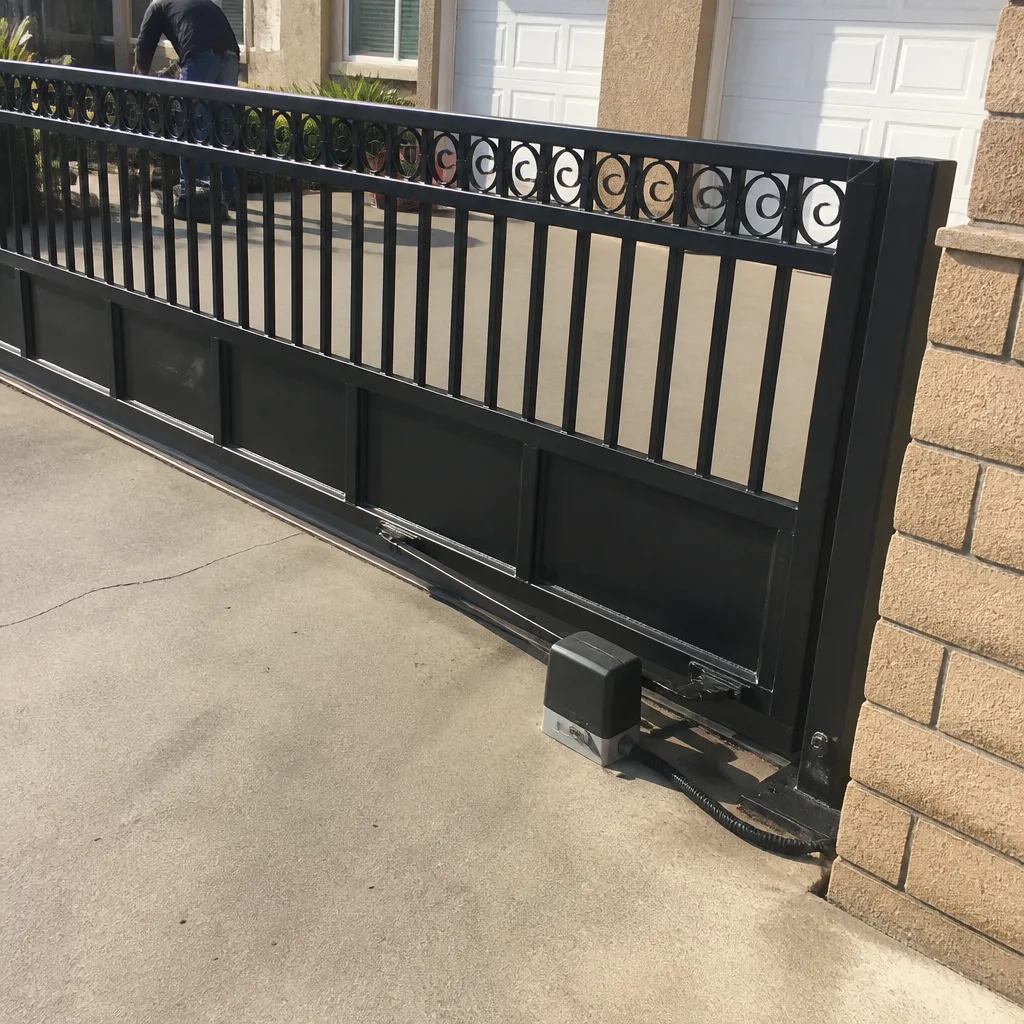
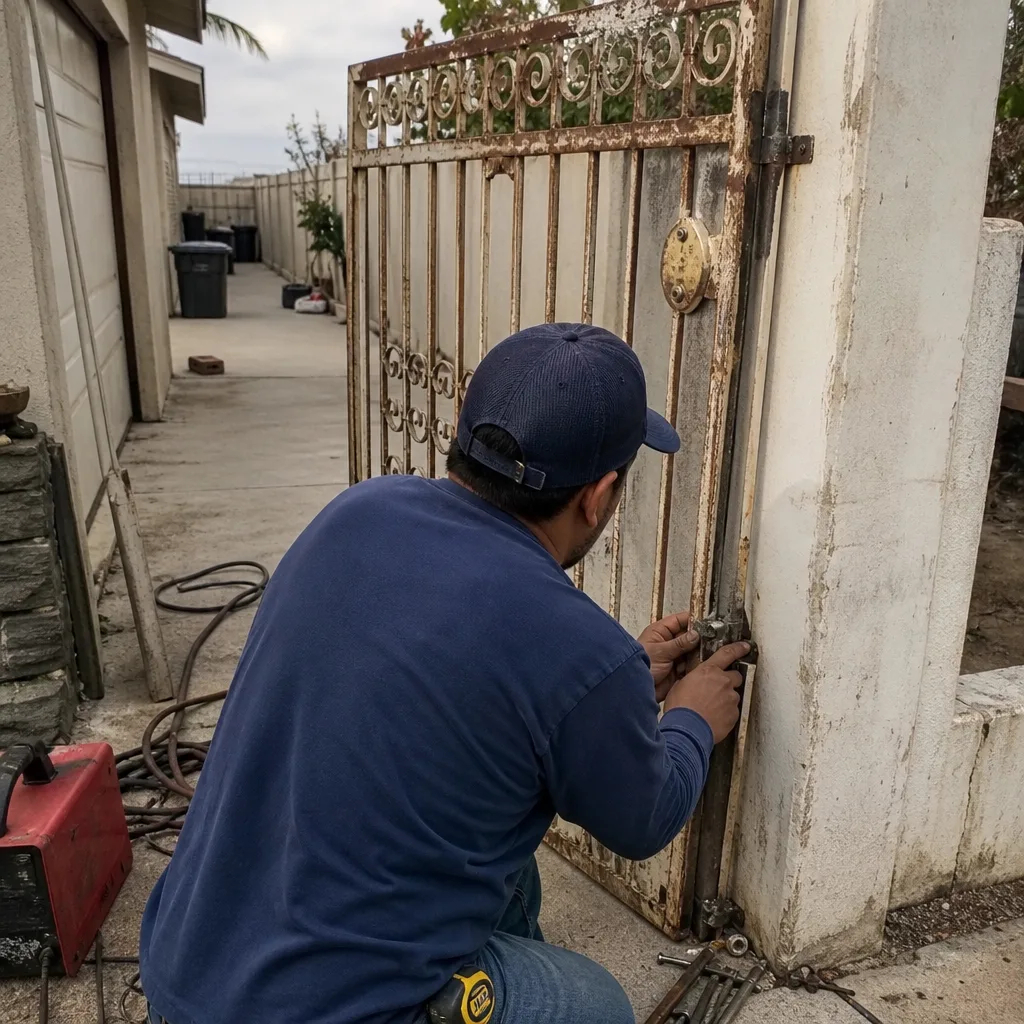
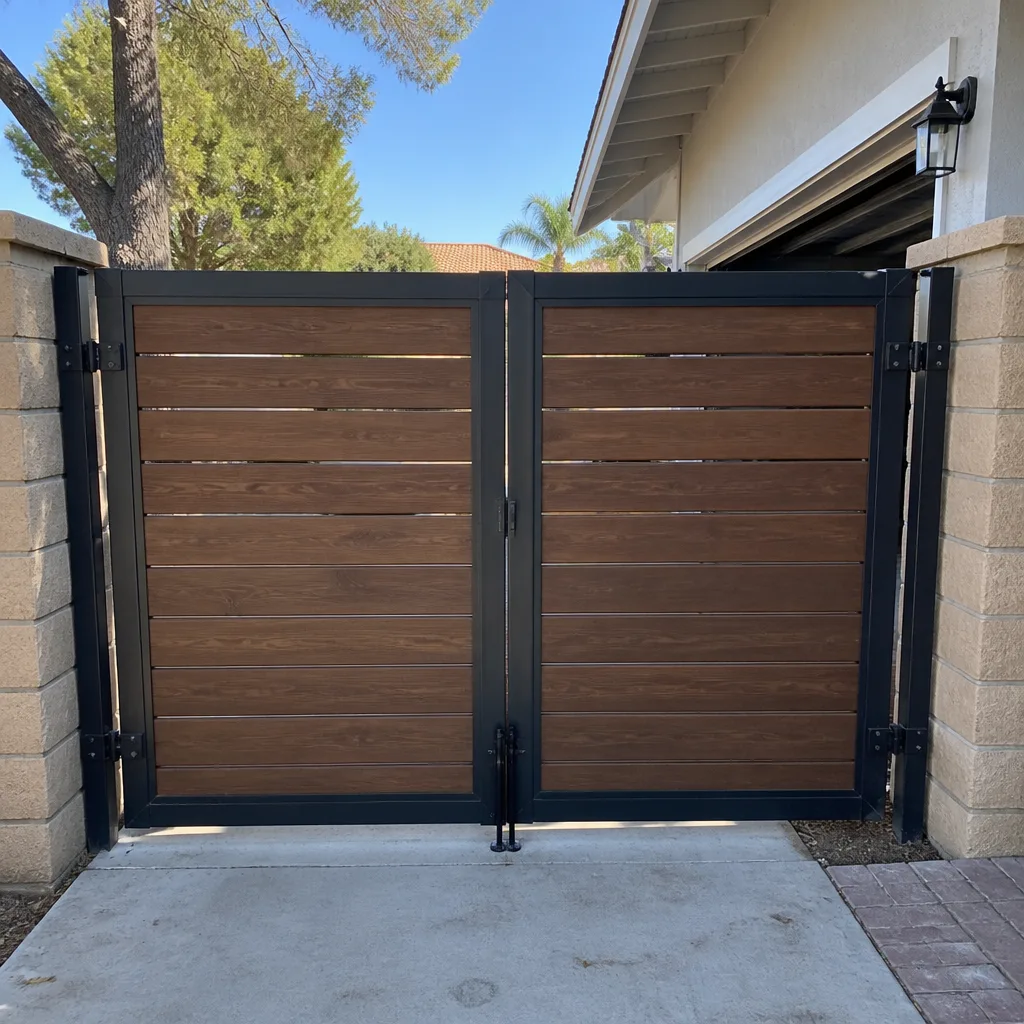
See the difference
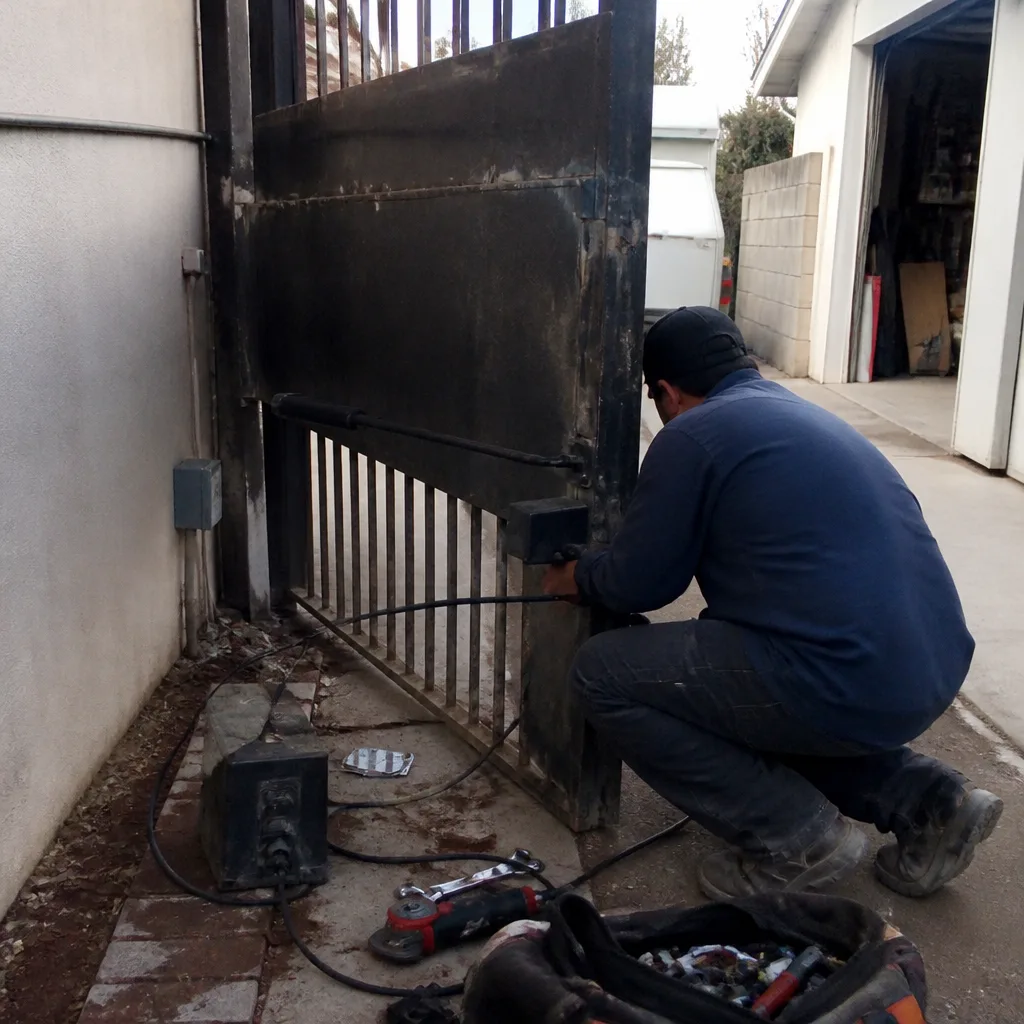 Before
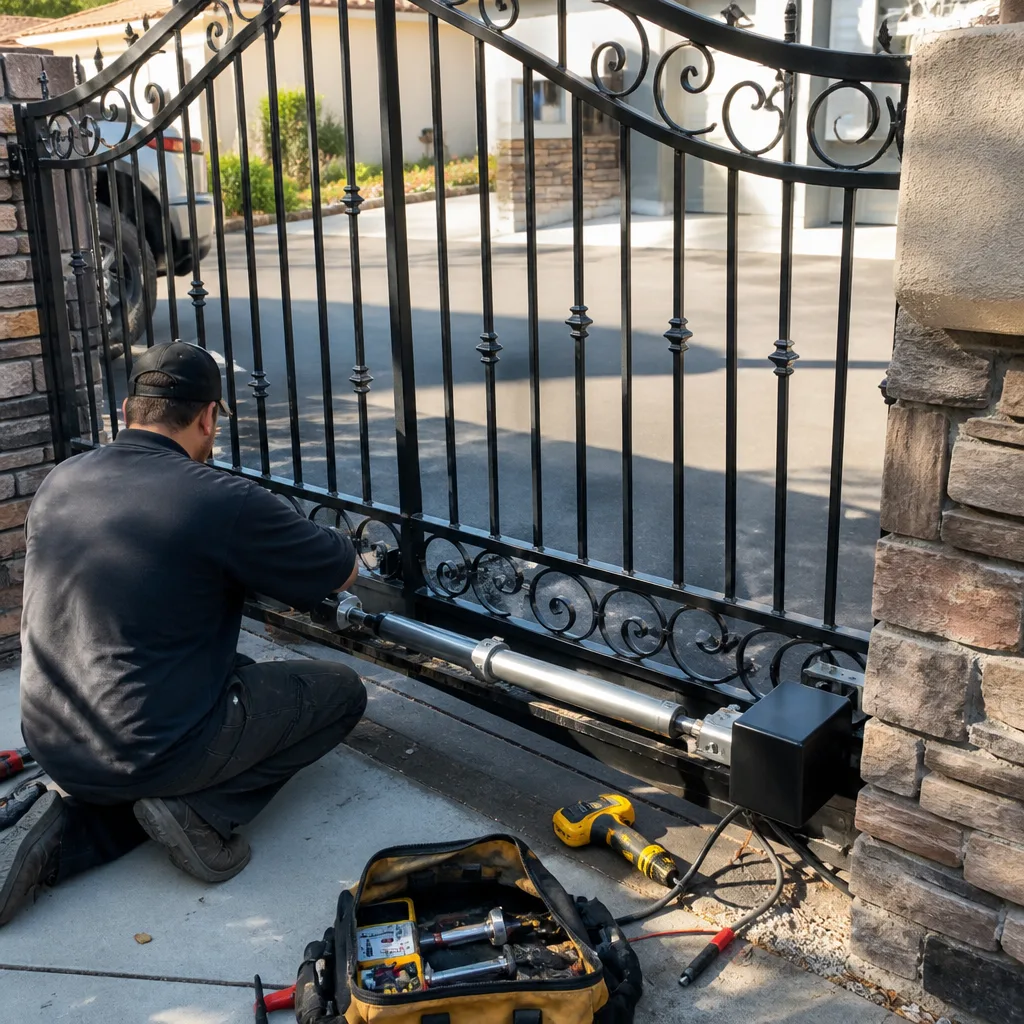 After
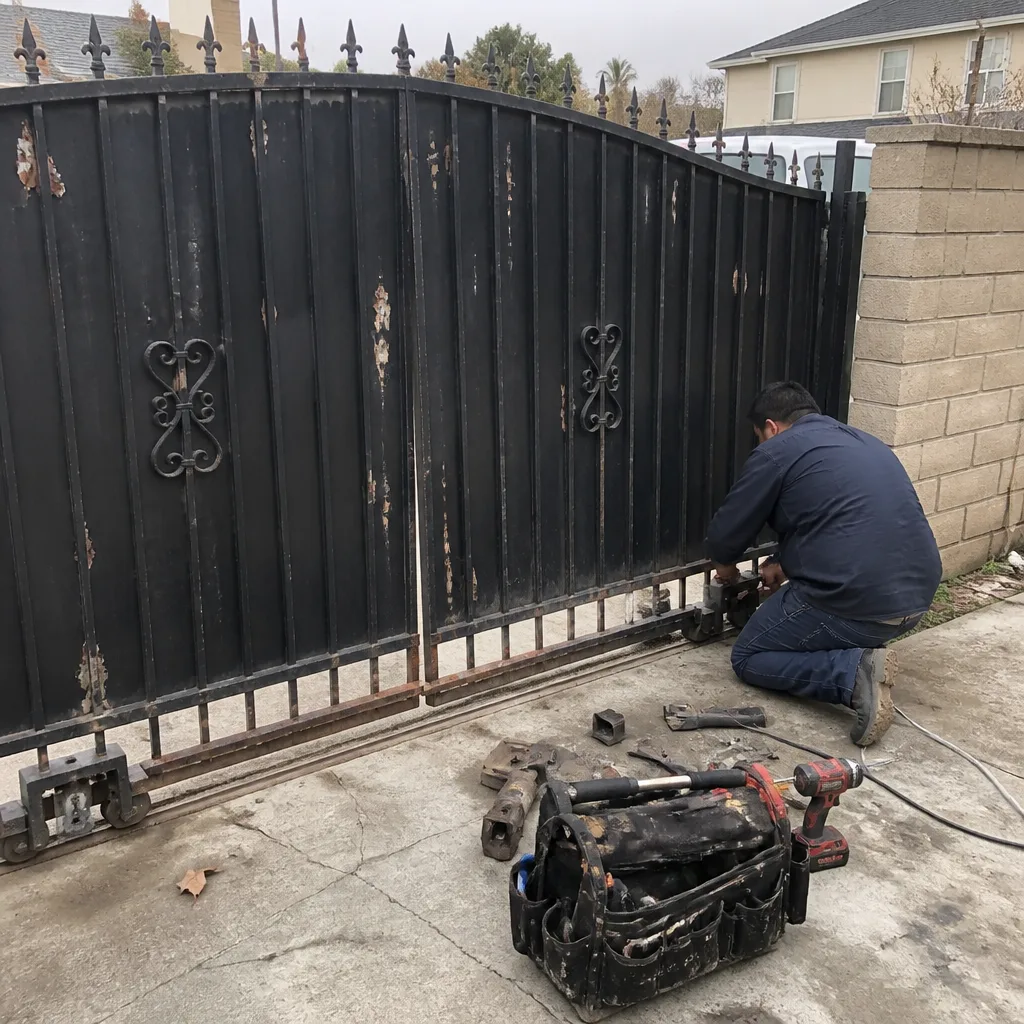 Before
 After
 Before
 After
When to Call a Professional
Some gate issues are beyond reasonable DIY scope, and it’s worth being honest about where that line sits. If your gate is binding on its hinges and the posts are still square, that’s a maintenance issue most handy homeowners can profile. But if the gate is automated and the operator is grinding, the safety sensors are faulting, or the control board shows error codes you don’t recognize, these are systems with real safety implications. Gate automation involves electrical components, moving parts under tension, and pinch points. A gate that’s 400 pounds of steel moving under motor power is not the place to learn as you go.
Call a professional when the operator isn’t responding correctly, when you see exposed wiring, when safety sensors won’t align, when the gate reverses mid-cycle, or when a post or hinge shows visible movement. These are the failure modes that indicate structural or electrical problems, and they require both proper diagnosis and correct repair. Gate Repair in Corona covers the mechanical side. For automated systems, Electric Gate Repair in Corona is the relevant service. And if the diagnosis points toward replacement, Gate Installation in Corona covers that pathway. Windsor Gate Repair offers free estimates in Corona. Call (855) 382-0601 and we’ll tell you what’s actually wrong and what it actually costs to fix.
Frequently Asked Questions
Gate repair in Corona typically costs between $180 and $1,400 in 2026, depending on the component that failed. Simple mechanical repairs like hinge or roller replacement run $180 – $450. Control board and operator repairs run $400 – $1,400. Full operator replacement on an automated gate runs $700 – $1,400 installed. For an exact quote on your specific gate, call (855) 382-0601 for a free estimate.
The gate operator itself is the most expensive single component to repair or replace, at $700 – $1,400 for a residential system in Corona, because the operator contains the motor, gearbox, electronics, and limit mechanism in one assembly. A failed control board runs $400 – $950, making it the second most expensive common repair. The cost is driven primarily by brand, with LiftMaster, Viking, and DoorKing parts generally more accessible than discontinued budget brands.
You can handle basic maintenance like cleaning tracks, tightening visible fasteners, and lubricating hinges, but automated gate repair is genuinely dangerous work. Gate operators run on household current, contain capacitors that hold charge even when unplugged, and control gates that weigh hundreds of pounds. A wrong repair on a safety sensor or control board can create a gate that closes on a vehicle or a person. For anything involving the operator internals, the sensors, or the control board, call a gate specialist. Call (855) 382-0601 and we’ll diagnose the issue properly.
A quality residential gate operator like a LiftMaster or Viking should last 10 – 15 years in Corona with proper maintenance, though the dust and heat of the Inland Empire will stress components more than a coastal environment would. Budget operators from big-box kits typically fail in 5 – 8 years even when installed correctly. If your operator is past 8 years old and has needed multiple repairs, replacement is worth pricing honestly.
No. Windsor Gate Repair provides free estimates in Corona for gate repair, electric gate repair, and gate installation. We’ll inspect your gate, diagnose the specific failure, and quote you a parts-and-labor breakdown before any work begins. Call (855) 382-0601 to schedule an estimate.
It depends on the operator’s age, brand, and overall condition. For operators under 5 years old, repair is almost always cheaper and more sensible unless the damage is catastrophic. Between 5 and 8 years, repair makes sense as long as the cost is under roughly half the price of a comparable new installation. Past 8 – 10 years in Corona’s climate, replacement becomes more cost-effective when the repair approaches 60% of new-unit cost, because another failure within 18 months is likely.
The Bottom Line
Gate repair pricing in Corona is only opaque because most homeowners have no baseline for what parts cost and what labor should run. Once you know that a hinge replacement should cost $180 – $450, that a residential operator replacement runs $700 – $1,400, and that an 8-plus-year-old operator in this climate is nearing the end of its practical life, every quote you receive becomes evaluable. You don’t need to be a gate expert. You need the reference points this guide and our more guides & resources provide. We work on gates exclusively, across every major brand, and we’ll show you the parts-versus-labor breakdown on any repair we quote. That’s how we’d want to be treated, and that’s how we operate in Corona every day.
Written by the team at Windsor Gate Repair, serving Corona since 2012.