
Last updated October 30, 2026
 Wrought iron
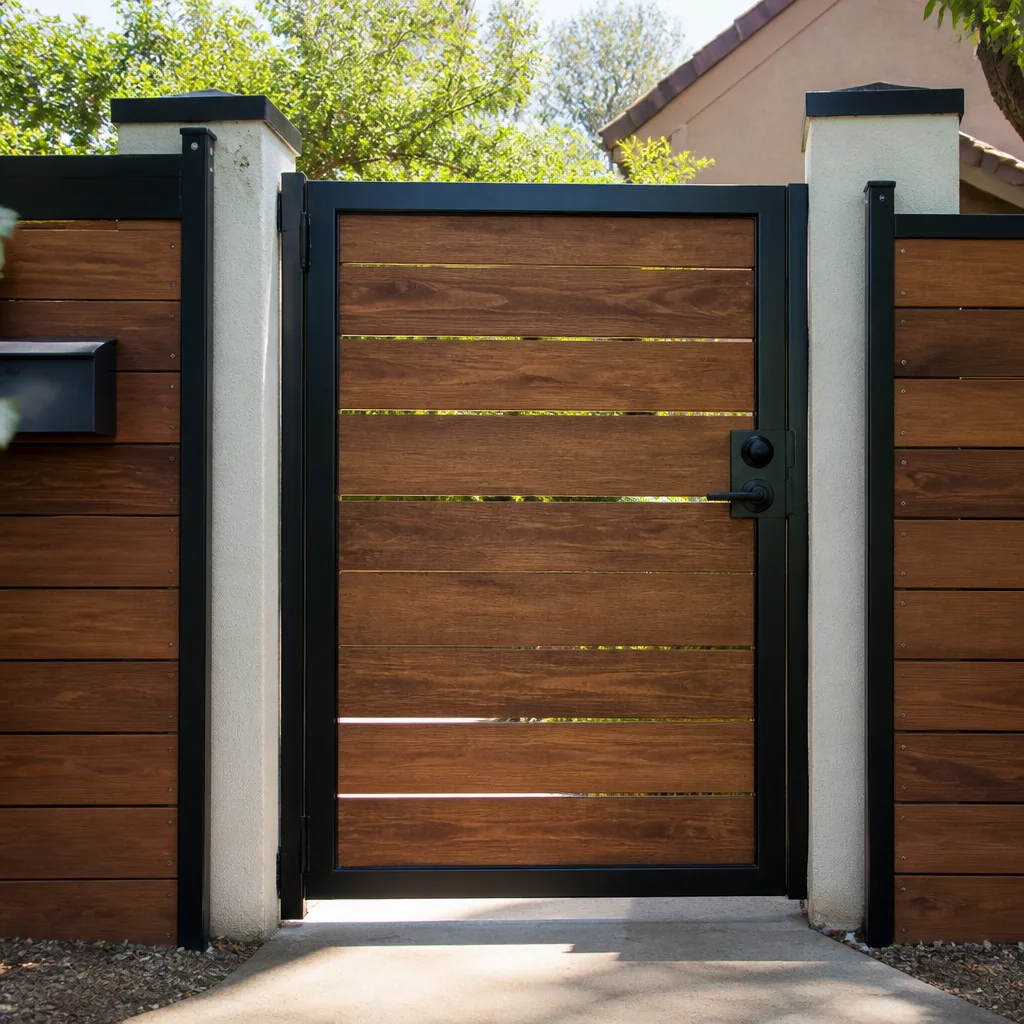 Wood & steel frame
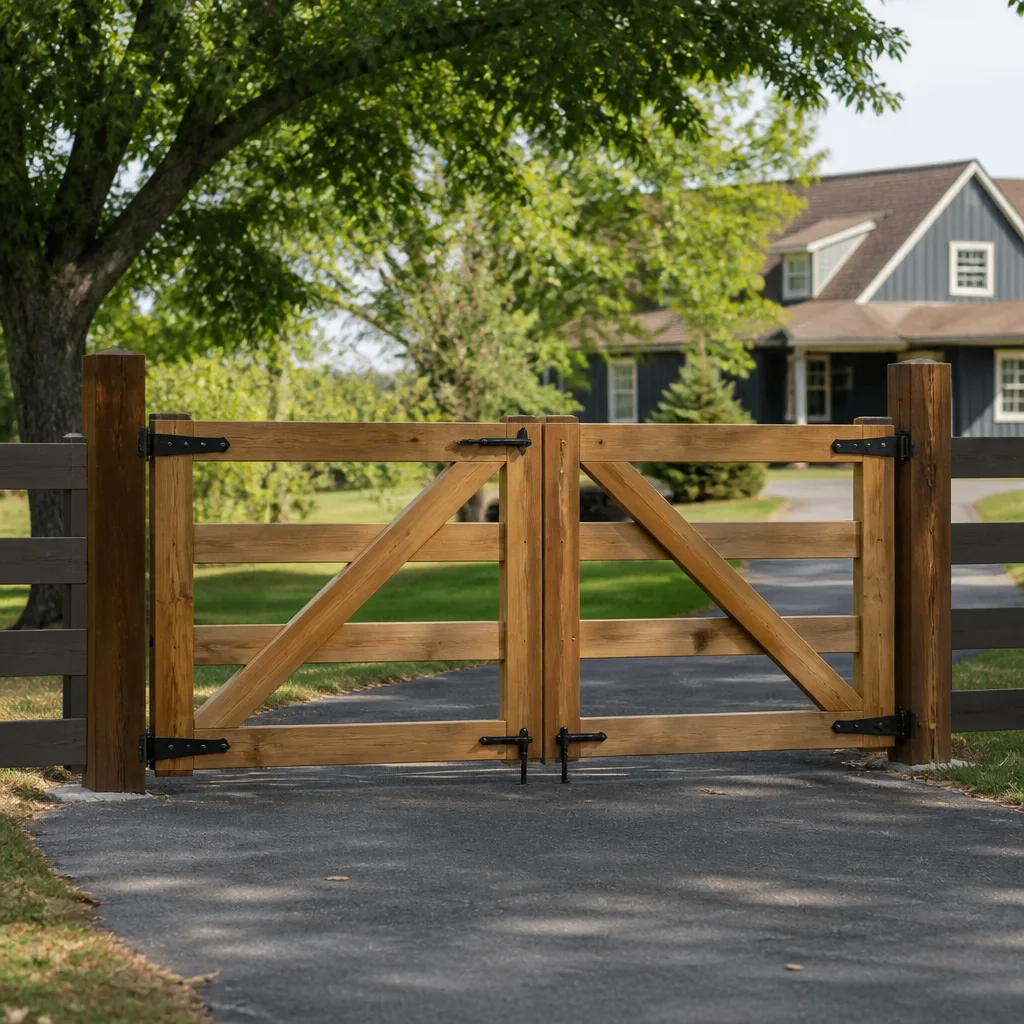 Farm & ranch
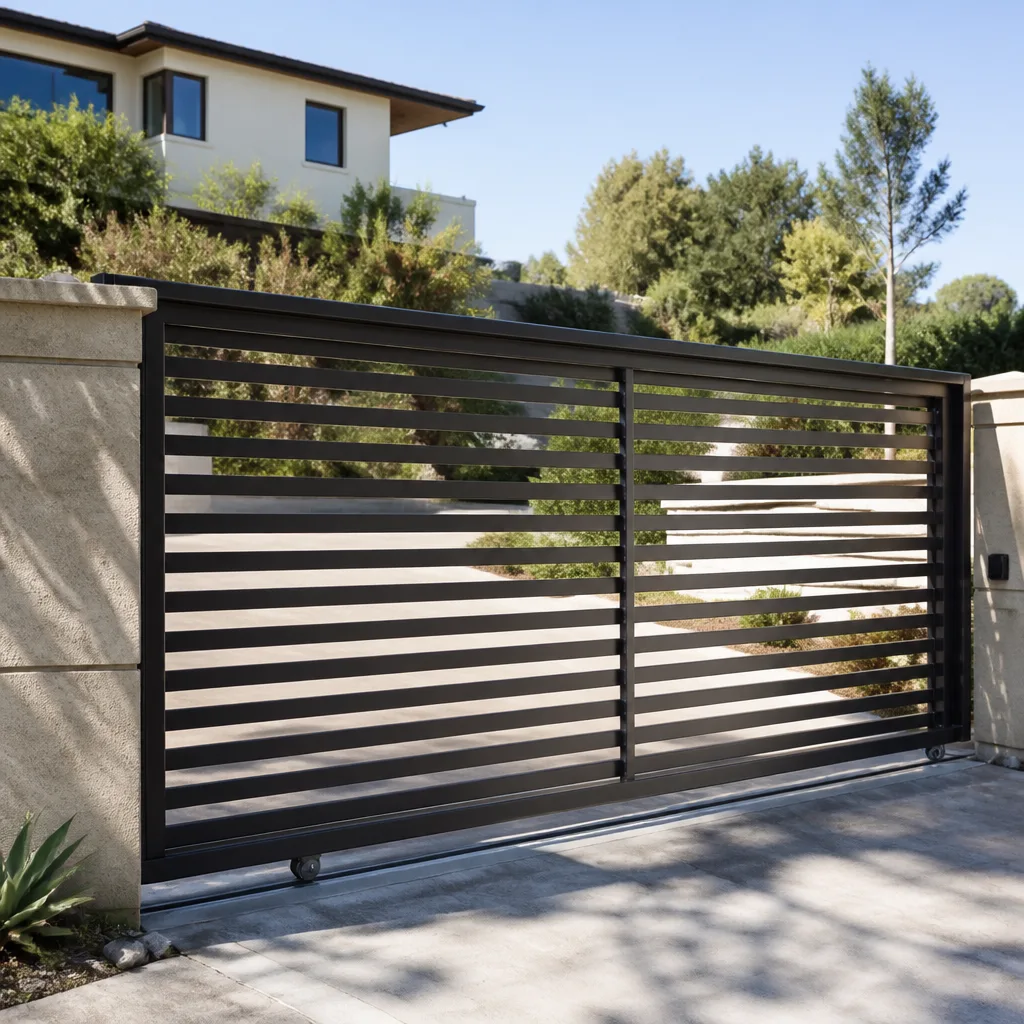 Sliding driveway gates
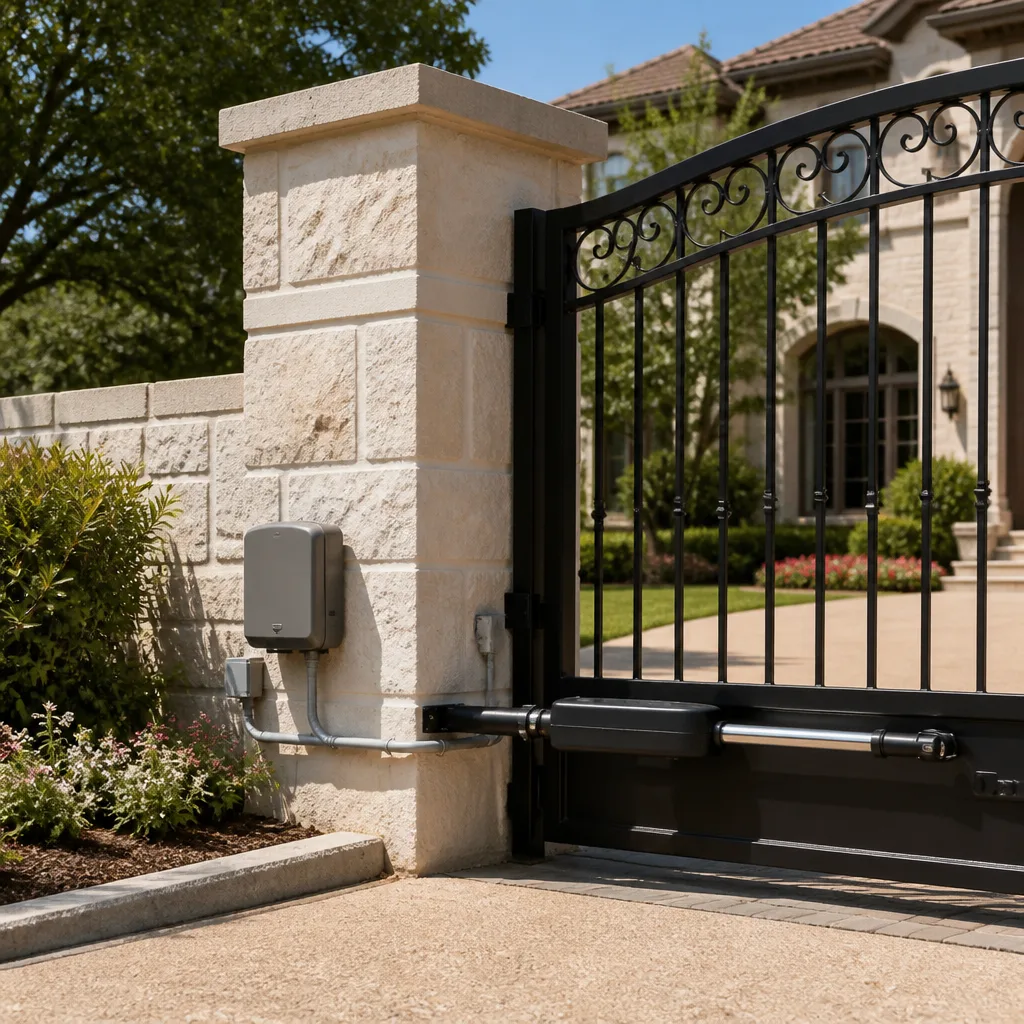 LiftMaster operators
Free on-site gate assessment - hinges, posts, and your LiftMaster or Nice gate operator checked before anything is quoted
The assessment is free and the quote is the invoice.
Get your free estimateGate Repair Emergency Preparedness Guide for Corona Homes
During the 2020 and 2021 wildfire evacuation alerts that swept through parts of Riverside County, automated gate failures trapped vehicles in driveways for 20 to 40 minutes because homeowners couldn’t find the manual release. In Corona, where Santa Ana winds can push fire weather into residential corridors with little warning, a gate that won’t open is not a frustration. It’s a safety problem. This guide is built for Corona homeowners who want to be prepared before an emergency, not during one. We’ll walk through the two failure modes nobody plans for, a stuck-open gate and a stuck-closed gate, and show you exactly what to do about both.
The preparation we’re about to describe takes about an hour total and costs almost nothing. Most of it is knowing where things are and what they do. We work on gates every day, and the difference between a 10-minute fix and a 40-minute panic is almost always preparation, not luck.
Quick Answer
A gate stuck closed during an emergency is resolved by locating the manual release on your operator, typically a red lever, pull handle, or keyed lock depending on the brand, and disengaging the motor so the gate can be pushed by hand. A gate stuck open is resolved by securing the gate temporarily with a chain or clamp, cutting power to the operator if it’s attempting to cycle, and calling a specialist for Gate Repair at (855) 382-0601. Every Corona home with an automated gate should have a written gate emergency card posted near the panel box, and every adult in the household should know where the manual release is before an emergency starts.
Styles & brands we work with
Table of Contents
- The Two Failure Modes Every Corona Homeowner Needs to Plan For
- How to Operate the Manual Release on Corona’s Five Most Common Gate Operators
- What to Do When Your Gate Is Stuck Open
- What to Do When Your Gate Is Stuck Closed
- Power Outage Protocol for Automated Gates
- Creating a Gate Emergency Card for Your Household
- The Pre-Storm and Pre-Heatwave Gate Checklist for Corona
- Common Mistakes to Avoid
- When to Call a Professional
- Frequently Asked Questions
The Two Failure Modes Every Corona Homeowner Needs to Plan For
When a gate fails, it fails in one of two directions. Either it’s open and won’t close, or it’s closed and won’t open. Each creates a different set of problems, and each requires a different immediate response.
A gate stuck open is a security and liability exposure. Your property is accessible to anyone who drives or walks in. Packages sit unprotected, pets can wander out, and depending on your setup, a pool area or backyard may be open to neighborhood children. In Corona’s more exposed foothill neighborhoods near the Cleveland National Forest boundary, an open gate can also invite wildlife that normally stays out: coyotes, and in some seasons, rattlesnakes from the chaparral. The immediate priority is securing the opening. The repair can wait. Securing cannot.
A gate stuck closed is a more urgent problem, especially in fire season. If the gate traps a vehicle in the driveway, you lose the ability to evacuate. Even outside of evacuation scenarios, a stuck-closed gate can block emergency vehicles from reaching your property, trap a family member from leaving for work or school, or lock out a delivery that needs a signature. The immediate priority is disengaging the motor so the gate can be moved by hand. That takes knowing where the manual release is and how it works on your specific operator.
Both failure modes share a root cause in most cases: the homeowner never learned what to do before the failure happened. The rest of this guide is about fixing that specific gap.
How to Operate the Manual Release on Corona’s Five Most Common Gate Operators
Every automated gate operator has a manual release mechanism. It exists precisely so that a human can take over when the motor can’t do its job. The problem is that each brand puts the release in a different place and uses a different mechanism. If you’ve never looked at yours before an emergency, finding it under stress is hard.
Here is what to look for on the five operators we see most often on Corona properties.
LiftMaster and DoorKing
Both brands use a similar concept: a release that disengages the internal gear so the gate arm or chain drive goes slack. On LiftMaster slide and swing operators, look for a red or orange handle on the side of the motor housing. Pulling it outward disengages the motor. On DoorKing swing operators, the release is usually a small pull handle protruding from the bottom of the chassis, often near the control board access panel. You may need to remove a small cover to reach it.
FAAC and BFT
These Italian-made hydraulic operators are common on higher-end residential gates in Corona. The manual release on FAAC and BFT swing operators is almost always a small keyed lock on the operator housing itself. Insert the key, turn it a quarter turn, and the hydraulic piston releases pressure, letting the gate swing freely. If the key is missing, check the key ring near the panel box or inside the garage. Homeowners often attach it to the main gate key and then forget which key is which. Label it now.
Ghost Controls and Mighty Mule
These two brands dominate the DIY and light residential market, and they share a design philosophy: a pull-to-release pin or handle at the operator arm itself. On Mighty Mule swing gates, the release is a metal pin you pull out from the arm bracket, often with a small ring on it. On Ghost Controls, look for a twist-and-pull knob on the actuator arm near where it connects to the gate bracket. Both releases work without power, which is exactly the point in an outage.
Elite and Viking
These commercial-grade operators appear on some larger residential properties and many small commercial sites in Corona. Elite’s swing operators use a lockable manual release on the motor housing, similar to FAAC. Viking’s slide operators generally have a release handle on the drive chain or belt you pull outward to slacken the chain, after which the gate can be pushed along the rail. Both require more physical effort to move the gate manually because the gates they drive are heavier.
This is the kind of detail we handle every day. Windsor Gate Repair works across all nine brands: LiftMaster, FAAC, BFT, Linear, Viking, Ghost Controls, DoorKing, Elite, and Mighty Mule. If you don’t recognize what you have, or the release is stuck, that’s what Gate Repair in Corona is for.
Here’s the critical safety note: manual releases are designed for use when the gate is not moving and the operator is unpowered. Do not attempt to operate the release while the motor is actively cycling. The stored tension in a moving gate arm or chain can do real harm. If the release doesn’t move easily, stop and call us at (855) 382-0601 rather than forcing it.
What to Do When Your Gate Is Stuck Open
A gate stuck open is less immediately dangerous than a gate stuck closed, but it’s a problem that gets worse the longer it stays open. Here is the sequence we recommend, in order.
- Cut power to the operator. If the motor is attempting to cycle and failing, it can overheat or damage the control board. Flip the breaker for the gate operator or unplug the unit if it’s a plug-in model. This also prevents the gate from slamming shut unexpectedly if the issue resolves itself.
- Secure the gate physically. If the gate is a slider, you can often close it by hand once power is cut. Push it into the closed position and run a chain, a heavy-duty ratchet strap, or a cable lock through the frame and around a fixed post. On a swing gate, swing it closed the same way and anchor it. Keep the chain or strap in the garage year-round so it’s there when you need it. This is the 10-dollar item that saves you an insurance claim.
- Mark the problem if the gate won’t stay put. If the gate is stuck halfway and won’t move either direction, put up a temporary barrier: traffic cones, a sawhorse, or even a parked vehicle blocking the opening from the outside. The visual cue matters, especially at night.
- Check the obvious mechanical issues. Look for debris in the track for slide gates (Corona’s wind kicks up a lot of dirt and leaves in the fall), a broken chain, a bent gate wheel, or an obstruction at the hinge line for swing gates. Sometimes a simple clear fixes the issue immediately.
- Call for repair if the motor hums or trips repeatedly. A humming motor with no gate movement usually means a capacitor or relay failure. A breaker that trips the moment the operator cycles points to a wiring fault. Neither is a household fix. Contact electric gate repair in Corona and describe what you’re seeing. We can often diagnose over the phone.
One thing that surprises people: the price to repair a gate stuck open is usually less than they expect, especially if the problem is caught early. A burned-out capacitor, a failed limit switch, or a broken chain is a straightforward fix. The expensive repairs happen when an unattended gate is forced repeatedly, damaging the gearbox on top of the original fault.
What to Do When Your Gate Is Stuck Closed
This is the emergency scenario. If the gate is stuck closed and you need to leave, or emergency services need to get in, speed matters. Your manual release is the tool that solves this.
- Cut the power to the operator. Same as the stuck-open protocol. You never want the motor fighting you while you’re trying to release it.
- Locate the manual release using the brand descriptions above. Pull the handle, turn the key, or slip the pin. Do it slowly and deliberately. You should feel the resistance on the gate arm or chain go slack.
- Push the gate by hand. A residential swing gate on manual should move with moderate effort. A slide gate on wheels may be heavier but should still slide. If it doesn’t move at all, do not force it. The problem may be mechanical, not electrical, and forcing it could break the gate itself.
- If the release is nowhere to be found or jammed, call a professional immediately. This is the exact scenario where minutes count. We’ve helped Corona homeowners through this during wind events, and the solution is usually fast once a technician is on site. Keep our number posted on the gate emergency card (explained below).
We want to be direct about something: every operator with a well-located, functioning manual release can be opened by hand in under two minutes. The homeowners who get stuck are the ones who never found the release until they needed it. If you do nothing else from this guide, go find your release today and practice using it once. That single action covers 90% of the stuck-closed emergency.
For homes with newer gate installations in Corona, the manual release may be a newer design that includes a keyed lockout to prevent tampering. If that key is not on your standard key ring, fix that today. The key that saves your evacuation lives in the lockout cylinder or on a nail near the panel, not in a drawer across the house.
Power Outage Protocol for Automated Gates
Corona’s power outages come from three main sources: Santa Ana wind events that down lines, heat-driven demand that triggers brownouts, and the occasional public safety power shutoff during high fire danger. Each of these can leave your automated gate without power.
Here’s how to think about backup power, because it works differently from what most people assume.
Battery Backup Systems
Many residential gate operators, particularly LiftMaster and DoorKing models, offer an optional battery backup. The battery sits inside or near the operator housing and trickle-charges from the main line. When grid power drops, the battery takes over and operates the gate normally for a limited number of cycles.
The key number is cycles, not hours. A typical residential battery backup will handle 10 to 25 full open-close cycles depending on the gate’s weight and the battery’s condition. A heavy gate drains the battery faster. A poorly charged or aging battery may give you 5 cycles. So under normal usage, a battery backup gets you through a short outage without issue. During an extended outage, or if the gate is being cycled frequently by household members or visitors, it will deplete within a day or two for most homes.
When the battery is depleted, the gate will generally fail in the position it was in. If it was open, it stays open. If it was closed, it stays closed. At that point, the manual release is your only option until power returns or the battery is replaced.
We recommend checking your battery’s age if you have one. Most batteries last three to five years in Corona’s climate. Heat accelerates degradation, and a battery that’s five years old may hold almost nothing. If you’re not sure how old yours is, or whether it’s even connected, call us and we’ll check it during a routine visit.
No Battery Backup? Here’s the Protocol
If your operator has no backup battery, plan for the gate to stop working the moment power drops. That means:
- When you hear about a possible public safety power shutoff in advance (Riverside County utility notices typically come 24 to 48 hours ahead), consider leaving the gate open and securing it with a chain during the outage window if you need vehicle access.
- Know exactly where the manual release is and have practiced using it.
- Keep a charged portable power bank for your phone, not for the gate. During an outage, your communication matters more than gate automation.
After power returns, most operators will reset and resume normal operation automatically. If your gate works but behaves oddly after an outage, like stopping mid-travel or failing to respond to remotes, the control board may need a reset or repair. That’s a common call after wind events in Corona.
Creating a Gate Emergency Card for Your Household
Here’s a practical project that takes 15 minutes and directly addresses the failure modes we’ve described. Create a laminated card, about the size of a recipe card, and post it near your gate operator’s panel box or on the inside of the garage door where everyone in the house can find it. Print it, laminate it, tape it up. Any adult or older teen in the household should be able to use it.
What goes on the card:
- Operator brand and model. Example: “LiftMaster LA400 swing operator.” This matters when you call for service, because the tech will ask.
- Manual release instructions for your specific operator. Write out exactly what to do in plain steps: “1. Turn off breaker labeled GATE. 2. Pull red handle on side of motor box. 3. Push gate open by hand.”
- Breaker location. Which panel, which breaker. Label the breaker with a piece of tape that says GATE so anyone can find it in the dark.
- Securing tools location. Where the chain, ratchet strap, or cable lock lives. “Chain and lock: garage shelf, left side, red plastic bin.”
- Emergency phone number. Windsor Gate Repair: (855) 382-0601.
- Scheduled maintenance note. Month and year of the last service visit, so you know when it’s due.
This card solves a real problem. When a gate fails at 6 a.m. before work or during an evacuation warning, nobody thinks clearly. Written instructions posted at the point of need replace decision-making with action. We’ve walked Corona homeowners through stuck-closed gates by phone, and the ones who have the card get moving in under five minutes. The ones who don’t spend ten minutes just looking for the breaker.
The Pre-Storm and Pre-Heatwave Gate Checklist for Corona
Corona’s climate creates predictable gate failures. Santa Ana winds push dust, leaves, and debris into tracks and limit switches. Heat waves stress motors, capacitors, and plastic components. Rain events, when they come, expose seal and wiring problems. Here is the 10-minute inspection that catches the failures most likely to turn into emergencies.
Before Wind Events (October through January in Corona)
- Clear the slide track from end to end. Remove leaves, rocks, dirt deposits, and anything else wind has blown in. A pebble in the track can jam a slider.
- Check the limit switches. These small sensors tell the operator when the gate has reached open or closed. If they’re loose or dirty, the gate may stop short or overtravel. They live inside the operator housing or on the gate frame, and a quick visual check catches obvious problems.
- Tighten gate hardware. Wind loads put stress on hinge bolts, wheel bearings, and track brackets. A socket wrench and five minutes of tightening prevents fatigue failures. Pay attention to the gate wheels on sliders: they take the brunt of the lateral wind load.
- Test the manual release. Do it during daylight, not during the event. Make sure you can operate it smoothly and that the gate swings or slides freely by hand.
Before Heat Waves (June through September)
- Check the operator’s cooling path. Many Corona operators are mounted in metal housing that soaks heat all day. Clear away vegetation or debris around the housing so air can circulate. A motor that runs hot fails sooner.
- Look for capacitor bulge. If you can access the control board area safely, look for any swollen or misshapen cylindrical capacitors. Heat is the single biggest killer of these components, and they fail exactly when the gate is working hardest.
- Lubricate gate wheels and hinges with a silicone or lithium spray. Heat causes metal to expand, and dry bearings bind more easily in hot weather. A smooth-operating gate draws less current and runs cooler.
- Check the battery backup if you have one. Heat accelerates battery degradation. If your battery is more than three years old, consider testing it by cutting power briefly and cycling the gate once. If it struggles, schedule a replacement.
Our Gate Repair Maintenance Checklist for Corona Homeowners takes about 10 minutes per season. It’s the difference between catching a $200 repair early and dealing with a $1,800 emergency replacement after the first big wind event. We see it every fall in Corona: the homeowners who inspect do fine, and the ones who don’t find out about their failures at the worst possible moment.
Common Mistakes to Avoid
- Forcing the gate open or closed when it’s stuck. If the gate doesn’t move easily by hand after the release is engaged, do not push harder. You’re fighting a mechanical problem, and forcing it can bend the gate frame, break a wheel, or strip the gearbox.
- Leaving the gate stuck open without securing it. A gate stuck open is not “fine for now.” Secure it the same day, even if you have to use a chain and padlock. Corona’s foothill neighborhoods see wildlife and opportunistic trespassers, and an open gate is an invitation to both.
- Not labeling the gate breaker. In an emergency, you don’t want to guess which breaker controls the gate. Label it today, not during the next windstorm.
- Ignoring a gate that works “most of the time.” Intermittent problems are the early warning signs of a complete failure. If the gate stops mid-travel occasionally, or the remote works inconsistently, that’s a fault that will get worse. Early repair is almost always cheaper than emergency repair.
- Assuming a battery backup means you’re covered for days. As noted above, a battery gives you cycles, not indefinite power. A home with four drivers cycling the gate eight times a day will deplete even a good battery during a multi-day outage.
- Not testing the manual release before you need it. We’ve said it before and we’ll say it again: the manual release is the single most important emergency feature on your gate. Test it quarterly.
- Replacing the operator because the gate itself is the problem. Sometimes the operator gets blamed for a mechanical failure: a bent wheel, a misaligned track, a sagging hinge. Replacing the operator doesn’t fix the mechanical fault. A proper diagnostic looks at both sides. We always check the mechanical condition before recommending anything electronic.
When to Call a Professional
You can handle many of the preparation tasks in this guide yourself. But some conditions need a professional, and knowing which is which saves time and money. Call a gate specialist when the operator hums but does not move, when the breaker trips repeatedly, when the gate struggles to move even when released manually, when you see damaged or exposed wiring, when the gate hardware is visibly bent or broken, or when you simply cannot find or operate the manual release. See our Gate Repair Permits, Codes & Inspections in CA: What You Need to Know for additional requirements.
Windsor Gate Repair offers free estimates in Corona. We work on every major brand, from Ghost Controls and Mighty Mule residential operators to DoorKing and Elite commercial systems. We’re gate specialists, not generalists, and we handle Windsor Gate Repair home from diagnosis to repair to full replacement. Call (855) 382-0601 when you’re not sure whether a problem is minor or major. We’ll tell you straight.
Frequently Asked Questions
The most common gate failure in Corona is a bound or obstructed slide gate, usually caused by debris in the track during wind season or a wheel or roller that has worn out. The operator itself is often fine once the mechanical obstruction is cleared. The second most common is capacitor failure during summer heat, which prevents the motor from starting even though the operator is receiving power. Both are repairable, and an early service call costs far less than continued use until full failure. Call (855) 382-0601 for a free estimate if your gate is binding or struggling.
To open your automatic gate manually, first turn off the breaker to the operator, then locate the manual release on your specific brand. On LiftMaster and DoorKing, pull the red or orange handled lever on the motor housing. On FAAC and BFT, turn the keyed release at the operator housing. On Ghost Controls and Mighty Mule, pull the pin or knob at the actuator arm where it connects to the gate. Once released, push the gate open by hand. Practice this before an emergency so it’s second nature when you need it.
Yes, Windsor Gate Repair prioritizes emergency calls for gates that are stuck closed and blocking vehicle access, especially during fire weather or evacuation alerts. Call (855) 382-0601, describe what’s happening, and we’ll get a technician to your Corona property as quickly as possible. Gates stuck open are also urgent but are generally handled the same day or next. Our stated prices are quoted and agreed before any work starts.
A replacement gate operator battery typically falls in the $120 to $300 range, with installation adding around $100 to $180 depending on the operator model and access to the housing. Battery costs vary by brand: LiftMaster and DoorKing batteries are more widely available, while FAAC and BFT batteries may need to be ordered. If your battery is over three years old or no longer holds a charge through a short outage, call (855) 382-0601 for an exact quote on your specific unit. Estimates are free, and we’ll confirm the final price before any work begins.
Gate operators struggle in extreme heat because the motor draws more current as it heats up, capacitors bulge and fail, and metal components expand, increasing friction at the wheels and hinges. This is especially common in Corona from June through September, when daytime temperatures can stay above 100 for consecutive days. Regular lubrication and keeping the operator housing clear of debris help, but if your gate intermittently fails to start or stops mid-travel on hot days, the operator needs professional attention. Call (855) 382-0601 and we’ll diagnose it.
During a power outage, leave your gate in the position that best serves your safety and access needs. If you need vehicle access for work, childcare, or evacuation routes, leave it open and chain it securely so it doesn’t swing or slide in the wind. If security is your primary concern and you don’t need to leave, keeping it closed is fine, as long as every adult in the household knows how to operate the manual release in an emergency. There’s no single right answer, but planning ahead matters more than the choice itself.
The Bottom Line
Gate emergencies in Corona fall into two categories: stuck open and stuck closed. Both are manageable with about an hour of total preparation. Find your manual release and practice using it. Create a gate emergency card and post it near the panel. Do the 10-minute seasonal inspection before wind and heat events. Keep a chain or strap on hand for securing an open gate. And keep a specialist’s number posted. Windsor Gate Repair works on all nine major brands and handles everything from emergency repairs to full installations across Corona. For more guides & resources, visit our blog. Call (855) 382-0601 for a free estimate, and get your gate prepared before the next emergency arrives.
Written by the team at Windsor Gate Repair, serving Corona since 2012.
See the difference
 Before
 After
 Before
 After
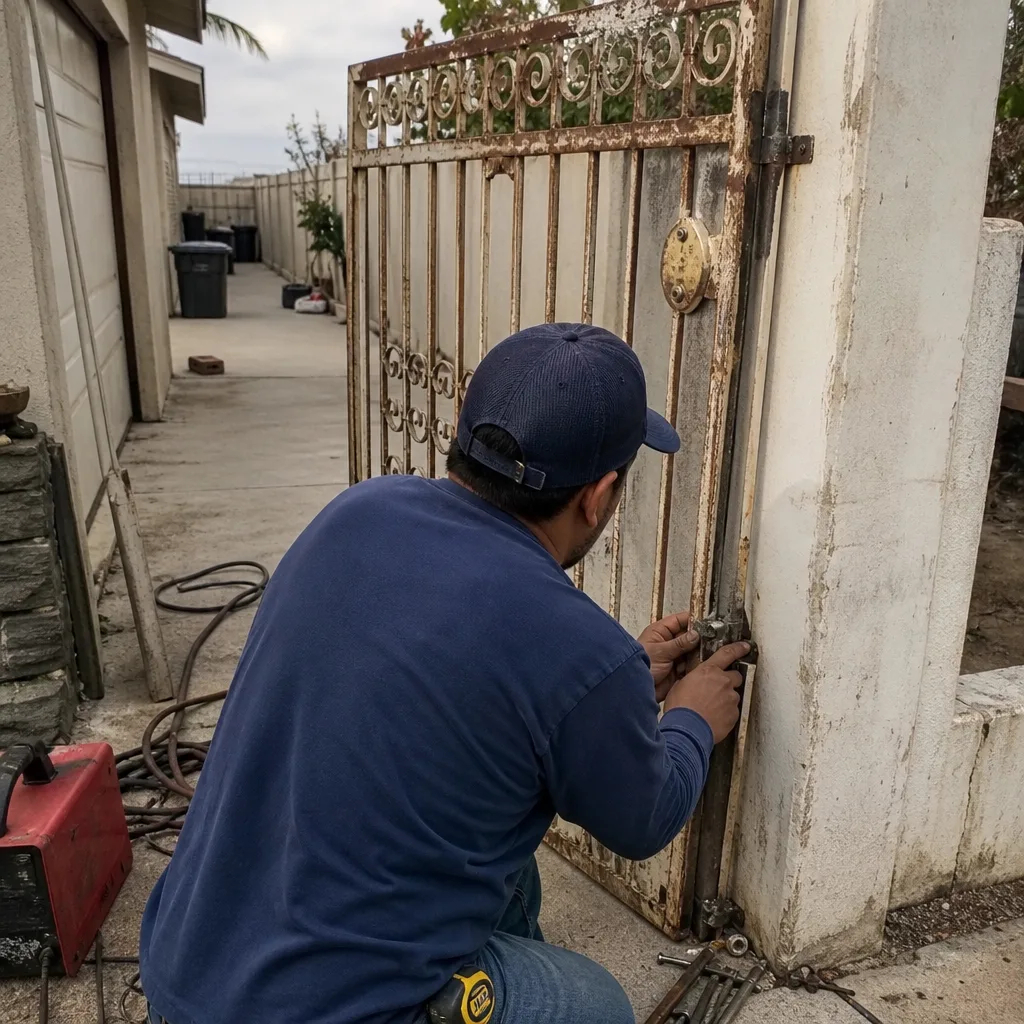 Before
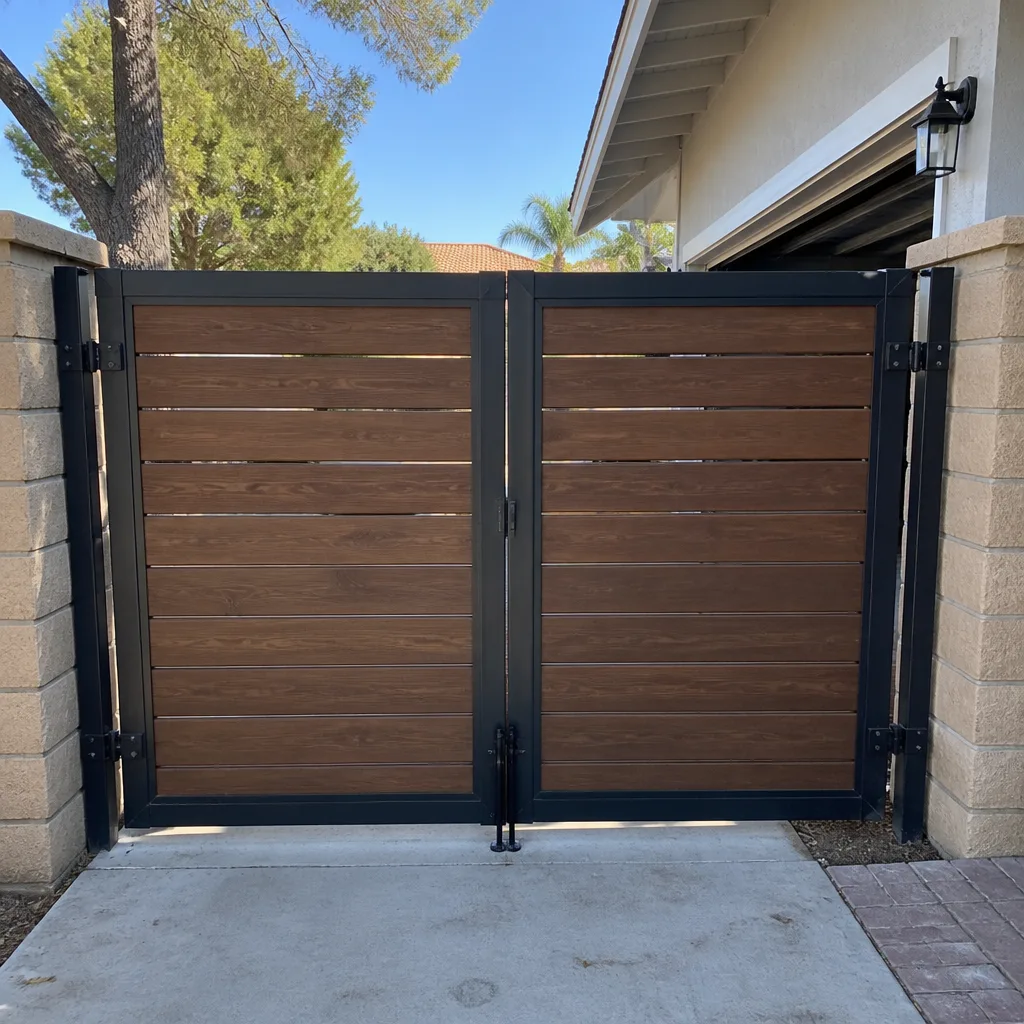 After